The cities that don't quite fit a country's main tourism narrative and are usually richer because of it.
Some cities are too north, too east, too industrial or too administrative to make it into the average European itinerary. The travellers who do go usually find that the absence of crowds reveals what makes the place itself.
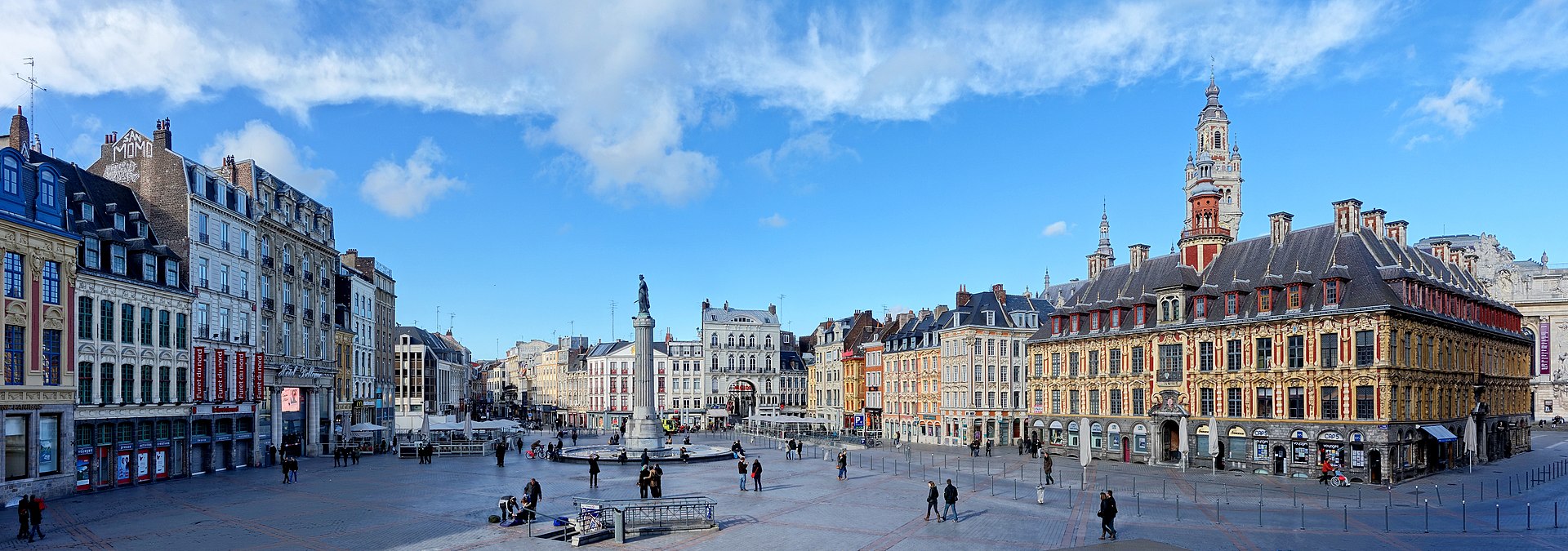
Lille, France
Closer to Brussels than to Paris. Flemish brick architecture in Vieux Lille, the largest second-hand book braderie in Europe one weekend a year, and a museum (the Palais des Beaux-Arts) considered the second most important in France.
Genoa, Italy
Italians know. Visitors are slowly catching on. The medieval old town (caruggi) is the largest in Europe and the Strada Nuova palaces are UNESCO listed for the way they pooled new merchant wealth in the 16th century.

Aarhus, Denmark
Denmark's second city, with the ARoS art museum (the rainbow walkway on the roof by Olafur Eliasson) and Den Gamle By, an open-air town museum reconstructing Danish urban life across four centuries.
Malmö, Sweden
Across the bridge from Copenhagen, with the Turning Torso, the Western Harbour redevelopment and a quieter pace than its Danish neighbour.
Leipzig, Germany
Bach lived and worked here, the peaceful 1989 revolution started in St Nicholas Church, and the converted Spinnerei (former cotton mill) now hosts most of the city's contemporary art scene.
Cluj-Napoca, Romania
Transylvania's largest city and a tech hub now, but the old town has the 14th-century St Michael's church and a Hungarian cultural overlay that gives the food a distinct flavour.
Belfast, Northern Ireland
The Titanic Quarter, the murals in the Falls and Shankill that read as a serious public history, and a music scene that punches above the city's size.
Bratislava, Slovakia
The Vienna-Bratislava boat is an hour. The old town is small and walkable in an afternoon, the castle dominates the skyline and the wine country (Small Carpathians) is within a tram ride.


